
How Often Does a Septic Tank Need Pumping?
Three to five years is the baseline for a 1,000 gallon tank, but that range moves depending on how many people live in the house and how big the tank actually is. A family of six flushing daily wears through capacity faster than a couple in a weekend house. Costa Mesa Porta Pros gets calls from both ends, tanks pumped on schedule and tanks that got ignored for a decade. If you're not sure which category you're in, our septic tank pumping cost page breaks down pricing by tank size, and our how often to pump a septic tank guide walks through the math in more detail. Garbage disposals, laundry volume and even landscaping near the drain field all shift the timeline. Skipping a scheduled pump is how a routine visit turns into an emergency septic service call at the worst possible time, usually a holiday weekend with a full house and a backed-up line.
What Are the Warning Signs of a Full Septic Tank?
Slow drains, gurgling pipes and a wet, spongy patch over the drain field mean the tank is likely full or close to it. A sewage smell near the tank lid or in the yard is another giveaway, and standing water pooling above the tank after normal use is a clear signal something's wrong. Our septic tank warning signs page covers the full list, but the short version: don't wait for a backup inside the house. Once wastewater backs up into a sink or tub, you're past the point of routine maintenance and into cleanup. Costa Mesa Porta Pros answers same-day calls for exactly this situation, and our emergency septic service crews carry the same trucks used for scheduled pumping, just dispatched faster. If you manage a restaurant or commercial kitchen, grease buildup shows different signs entirely; check our grease trap pumping page for that side of things.
What Does a Septic Pumping Service Include?
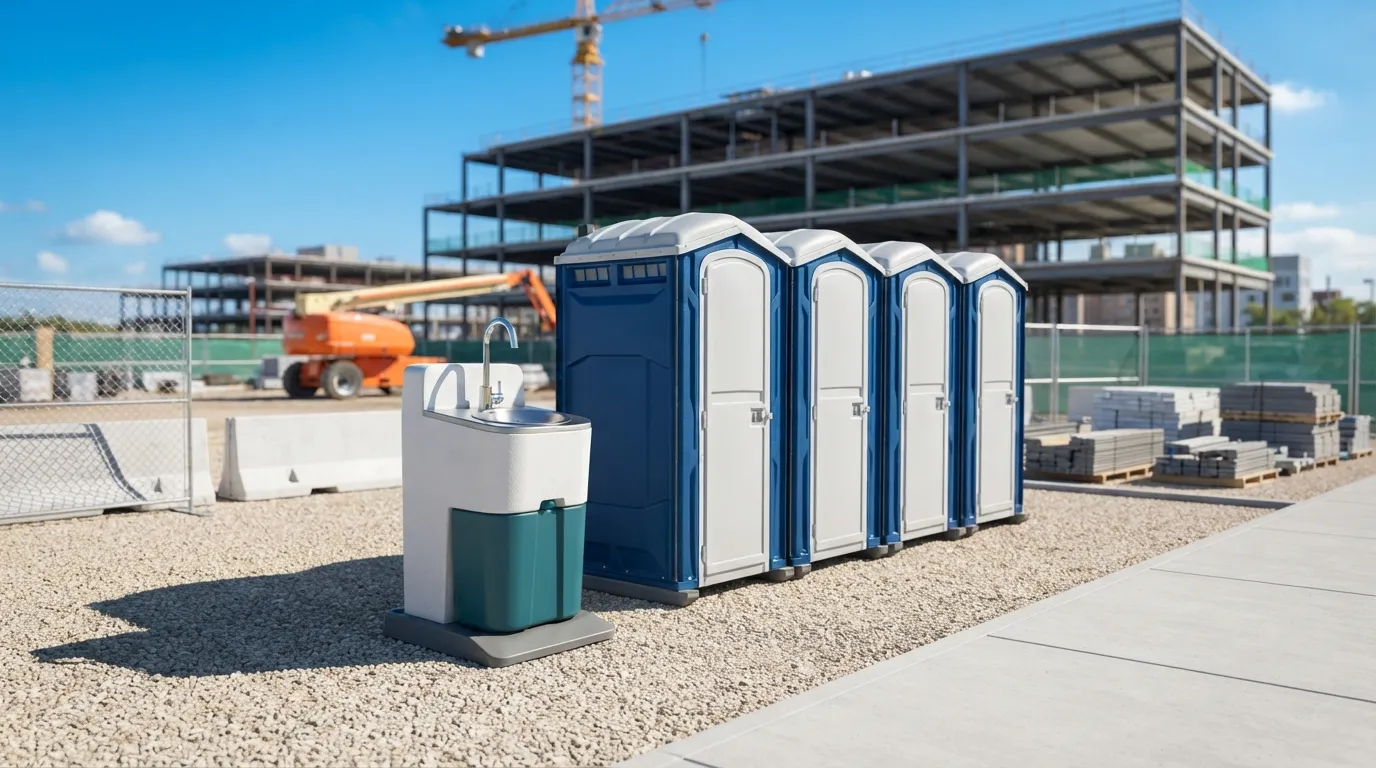
A standard visit means locating and uncovering the tank lid, pumping out solids and liquid, and a quick visual check of the baffles and tank walls for cracks or wear. The crew doesn't just empty the tank and leave. They'll flag anything that looks like a bigger problem, whether that's root intrusion or a failing baffle, before it becomes a full system replacement. Most jobs run in the 150 to 300 dollar range depending on access and tank condition, similar in scope to what we describe on the septic tank cleaning page. If your property doesn't have a functioning septic system at all, whether it's under construction or waiting on a permit, a holding tank rental fills the gap in the meantime. For sites with active construction crews and no bathroom access, pairing a holding tank with portable toilet rental or a full restroom trailer rental covers both wastewater and daily use.

Septic Pumping Cost by Tank Size
Tank size, access difficulty and how long it's been since the last service all move the price. Here's what we typically see for a standard day-rate pumping job:
| Tank Size | Typical Service | Price Range |
|---|---|---|
| Standard day visit | Pump-out and inspection | $150 to $300 |
| Weekend service call | Pump-out, limited availability | $50 to $150 |
These figures come from our internal pricing data across septic jobs, consistent with what shows up on our septic tank pumping cost page. A 1,000 gallon tank sits at the smaller end of this range in most residential jobs; larger tanks or tanks that haven't been serviced in years often run toward the top. If your property is agricultural, note that OSHA 1928.110 sets separate field sanitation rules for hand-labor employees, requiring potable water and toilets within a quarter mile walk, which matters if you're also running farm and agricultural restrooms alongside septic service.
Do You Offer Holding Tank Rentals?
Yes. A holding tank rental works for construction sites without a permanent system, event grounds, or a home mid-renovation where the septic system is offline. Unlike a septic tank, a holding tank has no leach field, it just stores wastewater until it's pumped, which means it needs more frequent service the more it's used. Costa Mesa Porta Pros pairs holding tanks with regular pump-outs on a schedule that matches your site's traffic. Construction crews already renting from our construction site services lineup often add a holding tank alongside standard porta potty rental units to cover both wastewater and daily restroom needs. Event organizers planning a wedding restroom rental or a larger festival restroom rental setup sometimes need the same combination if the venue lacks sewer access. Full details and pricing live on the holding tank rental page.
Can You Handle Emergency Septic Calls in Costa Mesa?
Yes, and it's one of the more common calls we get. A backed-up system doesn't wait for a convenient time, and Costa Mesa Porta Pros dispatches emergency crews the same day whenever possible. We cover Costa Mesa directly, and we also run routes out to Midway City, 8.8 miles northwest, and Stanton, 12.8 miles northwest. Aliso Viejo sits 14.0 miles southeast and falls within our standard service radius too. Our full coverage map is on the service areas page. For general sanitation planning beyond septic, our OSHA portable toilet requirements guide is useful if you're managing a job site, and OSHA 1926.51(c)(1) sets toilet facility ratios for construction crews, one unit for 20 workers or fewer, scaling up from there. If you need units delivered alongside emergency septic work, portable restroom rental and porta john rental both cover fast turnaround.
How much does septic tank pumping cost?
Most standard pumping visits run 150 to 300 dollars, depending on tank size and access. Weekend or after-hours calls run separately from that range. See our septic tank pumping cost page for a full breakdown by tank size and job type, and request a quote directly through our request a quote form.
How often should I pump my septic tank?
Every 3 to 5 years for a typical 1,000 gallon tank, though household size and water use shift that window. Heavy use households should lean toward the shorter end. Our how often to pump a septic tank page covers the variables in more depth if you want specifics for your property.
What's the difference between a septic tank and a holding tank?
A septic tank has a leach field and treats wastewater on-site over time. A holding tank has no leach field and simply stores waste until it's pumped out, so it needs servicing far more often. See our holding tank rental page for pricing and setup details.
Can a full septic tank cause sewage backup in my house?
Yes. Once a tank is full, wastewater has nowhere to go but back through the pipes, usually starting with the lowest drain in the house. Watch for the signs on our septic tank warning signs page, and call for emergency septic service before it reaches that point.
Do you service grease traps too?
Yes, separately from residential septic tanks. Grease traps need pumping once fats, oils, grease and solids reach 25 percent of the liquid depth, which happens faster in busy kitchens. Details are on our grease trap pumping page.
Is same-day septic service available in Costa Mesa?
Usually, yes. Costa Mesa Porta Pros prioritizes emergency calls and can often get a truck out same day. For non-urgent scheduling, standard pumping appointments are easier to book in advance through our contact page or by browsing our about page for more on how we operate.
Next step
Get a delivery date
Tell us the address, the dates and the headcount. We size the order and confirm the route.